


Pete Rose has been living in my head since I was a kid. I don’t know if I invited him in or if he just barged through the door—headfirst, no hesitation. When I was young I wanted to be him. Not just the hits or the hustle, though those were part of it. It was the fire, the obsession. He made baseball look like it mattered more than anything. And I thought that’s what it meant to care.
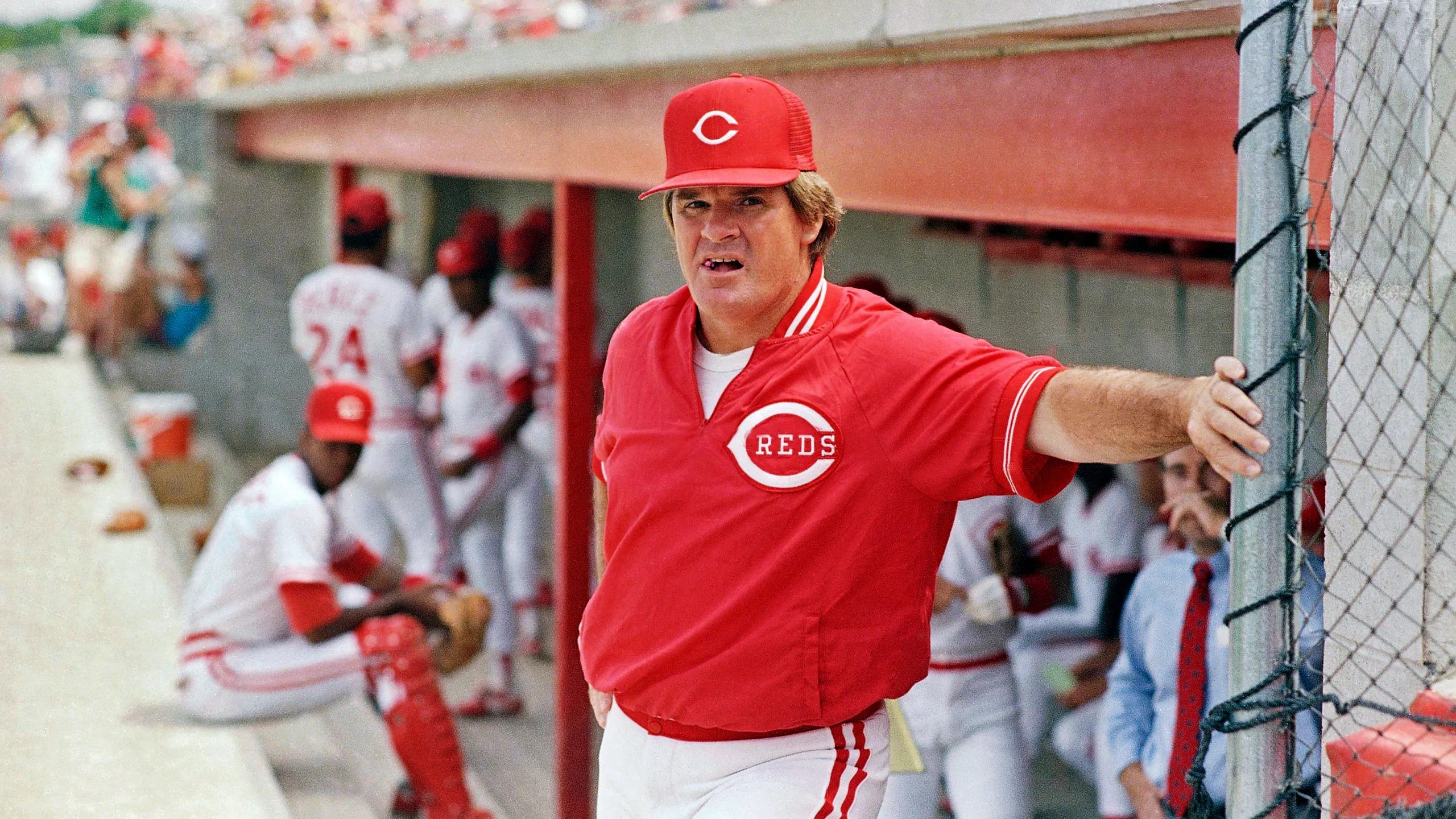
Then I got older, and I started wrestling with what he did. The gambling, the lying, the way he seemed to keep digging the hole deeper. I tried to understand it. To square the player I admired with the man he turned out to be. Eventually I stopped seeing Pete as a villain or a hero. I saw him for what he probably always was, a broken man who couldn’t stop chasing. He needed the spotlight like air. Even after the lights dimmed, he kept performing. Autographs at card shows, apologies that never quite landed. Still hustling, even if no one was keeping score anymore.
Now that he’s gone I miss him. And I don’t totally understand why. Maybe because he was always there, in the background of my life. Maybe because I used him—first as a role model for how to be, then as one for how not to be. And now, with nothing left to debate or defend, there’s just this strange emptiness. It feels like something unresolved. Like I lost a part of my childhood that I kept trying to make sense of. Like I outgrew the myth, but I still reach for it now and then out of habit.
I don’t have a clean takeaway. There’s no neat summary. Just a feeling. Pete Rose played the game like his life depended on it. And maybe that was the problem. He never knew how to live without it.