


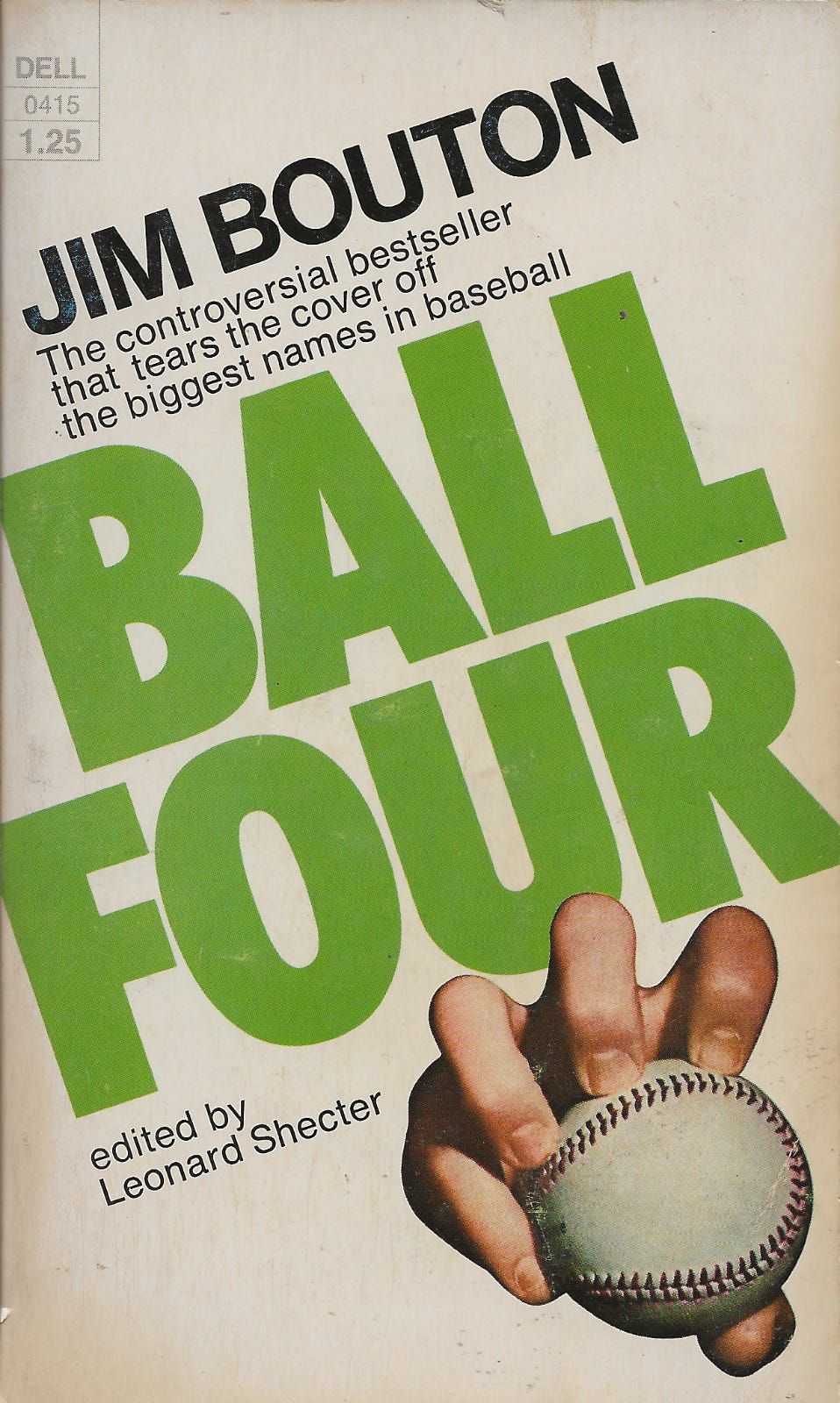
I read Ball Four when I was a kid, maybe 14. I thought it was wild. Players drinking during games, popping greenies, chasing women on the road. It was like baseball’s diary had been left open, and I got a peek at the pages I wasn’t supposed to read.
I didn’t understand all of it.
But it stuck with me. In high school, I competed in Forensics. I was in the 4-minute speech category. My topic? The use of greenies in baseball. That came directly from Ball Four. I didn’t fully grasp the implications at the time, but something about the honesty of that book lodged in my brain.
Now, rereading it in my 50s, I see it through a different lens.
A lot of the book feels juvenile. The jokes, the bravado, the locker room idiocy—it can wear thin. But you’ve got to remember who these guys were: most ballplayers were in their early 20s to mid-30s. And more importantly, they weren’t rich, and they weren’t in control of their careers. Not even close.
There was no free agency in 1969. Teams owned your rights until they decided you were no longer useful. Players were signed to one-year contracts—year after year—and expected to perform without question. If they complained, they got traded, benched, or blackballed. The reserve clause was still in full force. The owners held all the power.
And the money? It wasn’t life-changing. The league minimum in 1969 was $10,000. Most guys made between $20,000 and $30,000. They weren’t living in luxury. They had off-season jobs—selling insurance, working construction, managing businesses—just to make ends meet. They weren’t just playing for pride. They were playing for playoff shares.
Where your team finished in the standings mattered. First place meant a postseason bonus. Second place might mean something. Third or fourth? Forget it. There were no wild cards. No expanded playoffs. If your team tanked, your wallet felt it.
And all of that desperation—every layer of it—shows up in Ball Four.
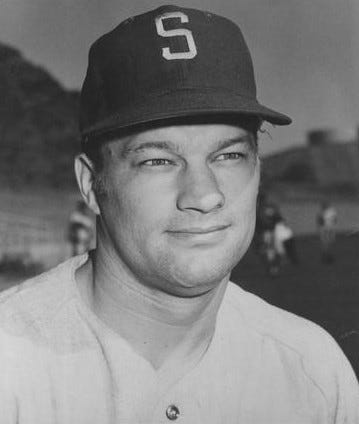
Jim Bouton wasn’t a star when he wrote it. He was hanging on, reinventing himself as a knuckleballer with the Seattle Pilots, a team that barely lasted a season. He started keeping notes—real notes, not filtered for press releases—about what it was actually like to be a big leaguer on the margins. Not the Hall of Fame story. The real story.
The book shows the boredom. The grind. The games behind the games. It shows players numbing pain, cutting corners, clinging to routines and pills and luck and bullshit just to get through another road trip. It shows how insecure the whole profession was. You could be gone tomorrow. No pension. No guarantees. No player’s union worth a damn yet.
And it wasn’t just the game that Bouton revealed—it was the people. Mickey Mantle comes off like a god and a mess. Coaches come off as manipulators. Veterans haze rookies. Rookies try to blend in. Everyone is trying not to be the next guy sent down. The book made a lot of enemies because it told the truth. And that truth broke the unspoken rule: protect the illusion.
Bouton was blackballed for it. Pete Rose yelled “Fuck you, Shakespeare” at him. Mantle never forgave him. The commissioner called him into the office and asked him to deny what he wrote. He wouldn’t.
He stood by it. And for that, he lost a lot. But in doing so, he gave us something honest. Something that made the game more human. He didn’t write it as revenge. He wrote it because he knew nobody else would.
Reading it again, I don’t admire the behavior in the book. But I admire the courage. Bouton wrote it while he was still in it—still riding buses, still getting the side-eye from teammates, still hoping to get the ball in the 7th. That takes guts.
It’s not a perfect book. Parts of it feel like time capsules sealed in testosterone and bad decisions. But it changed sportswriting. It gave players a voice—even if they didn’t know what to do with it yet. And it gave fans a look at the truth: that the guys on the field weren’t all heroes. They were just people trying to hang on, trying to get paid, trying not to get hurt or humiliated.
And that truth still matters.
I met Bouton in 2010 in Burbank, Ca. He was doing a talk in the library about Ball Four, and afterwards he and Greg Goossen and Tommy Davis signed autographs. All really cool dudes, and all sadly gone.
Love that book