


Bryce Harper heard Rob Manfred talk about a salary cap and didn't mince words.
“Absolute bullshit,” he said. “It would ruin the game.”
There it was. A franchise player, $330 million man, standing at his locker and calling it like he sees it. Harper said he chose Philadelphia because the Phillies weren’t afraid to spend. He likes it that way. He sees spending as a sign that a team wants to win. And on the surface, who could argue with that?
But step back for a minute. Look around the league right now.
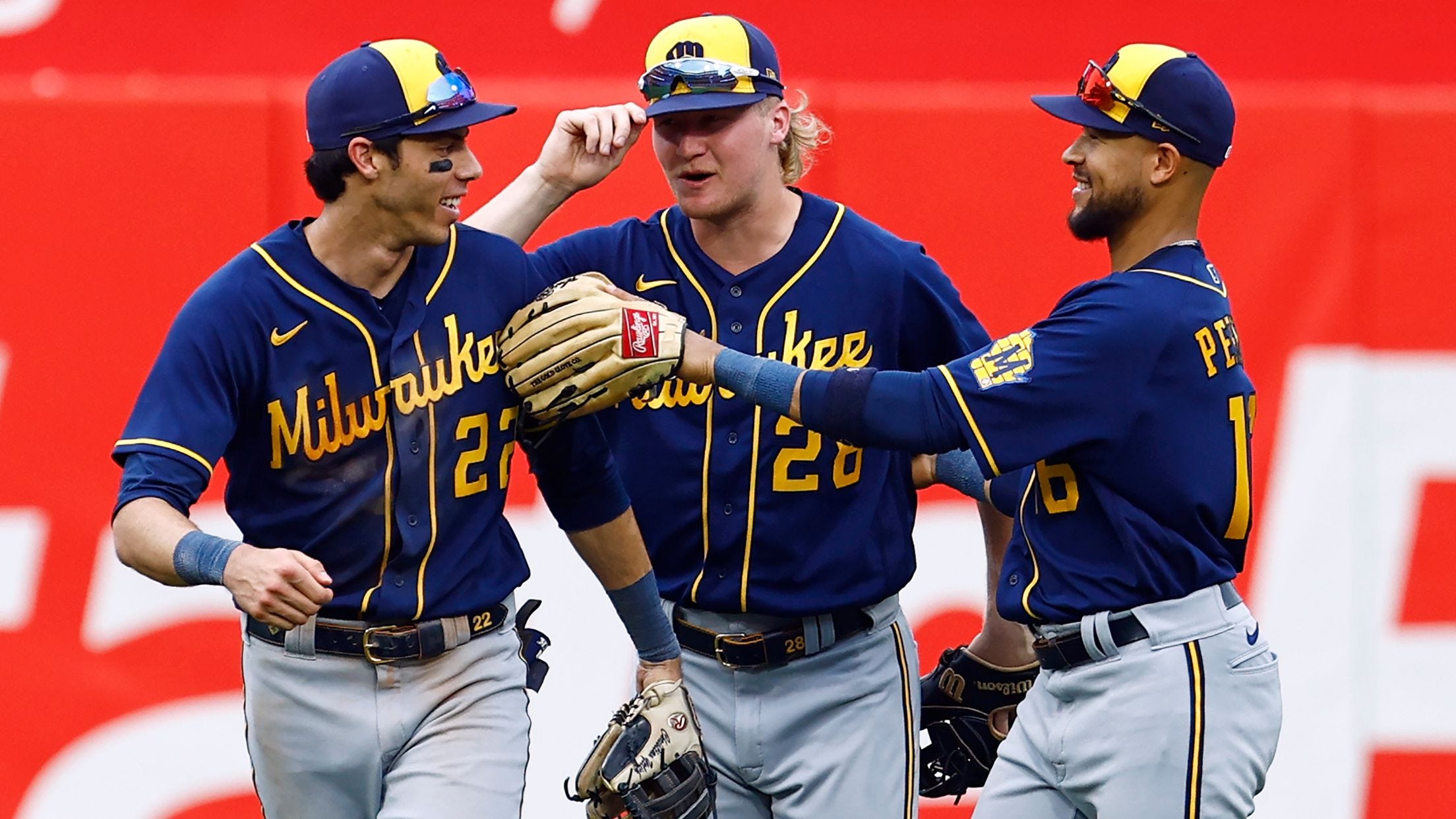
The Brewers, a small market team with a modest payroll, have one of the best records in baseball. The Orioles and Guardians are right there too. The Rays continue to work their weird voodoo with a spreadsheet and a staff of interns. The Royals are even showing signs of life again.
Meanwhile, the Cubs are somewhere between a retool and an identity crisis. The White Sox? They’re a full-on disaster. Top to bottom. From front office to field, it’s hard to find a coherent plan, let alone execution.
That’s where this conversation gets complicated.
Because if you’re looking strictly at 2025 standings, it’s hard to argue the league isn’t competitive. Teams like Milwaukee, Cleveland, and Baltimore shouldn’t be thriving in a league without a cap, yet they are. And it’s not just dumb luck. It’s scouting, development, culture, and yes, a little timing.
So what exactly is broken?
That’s the question Harper seems to be asking. From his view, the system worked. Big market. Big paycheck. Big chance to win. But that same system that gave him a shot at immortality has created some strange dissonance.
The Mets spent half a billion and fell apart. The Padres doubled down and tripped over themselves. The White Sox front-loaded a rebuild and got stuck with a car that doesn’t start. The A’s flat-out quit trying. The Pirates might have a future again, but they always seem one losing streak away from selling it off.
And then there’s the Cubs. A team with a marquee market, a shiny new ballpark district, a massive fanbase, and a whole lot of maybes. They spend, but carefully. Just enough to say they tried. Not enough to scare anyone in October. They’re stuck in the middle. Not bad. Not great. In a capped world, that’s exactly where teams like the Cubs might live forever.
That’s what salary caps tend to do. They flatten the extremes. They make being very good harder, but they also make being completely dysfunctional slightly more survivable. It rewards competence. It punishes risk. It makes everything feel a little safer.
And maybe that’s the real threat. Not to the players’ wallets, but to the soul of the game.
Baseball, for all its traditions and stubbornness, has always been a game of imbalance. It’s never been fair. That’s part of its weird beauty. A team like the Royals can win a World Series once every 30 years and have it mean more than three Yankee pennants. The Pirates can shock the league for one year, then fade back into purgatory. The Brewers, always hovering, finally get hot at the right time and suddenly look like contenders. That's baseball.
When you start introducing a cap, you’re not just capping spending. You’re capping volatility. You’re capping chaos. You’re capping dreams in the name of "parity."
And here’s the irony. Right now, in 2025, the game already feels more balanced than it has in a long time. You can’t buy your way to October anymore. Ask Steve Cohen. You have to build, blend, gamble, adjust. The Phillies spend. The Rays don't. Both win.
So what are we really trying to fix?
The players think it’s about control. The owners say it’s about sustainability. The fans? Most of us just want our teams to try. To actually go for it once in a while.
Right now, the Brewers are doing that. The Cubs seem unsure. The White Sox have completely lost the plot. In Philly, Bryce Harper’s still swinging hard, on and off the field.
I don’t know where this all lands. But I know this. Baseball's politics always get loud when the standings are quiet. As long as small-market teams keep winning, the owners will point to them as proof that the system works.
Payroll imbalance isn’t the problem. Apathy is. When teams with resources choose not to care, or when teams without them are forced to fake it, that’s when baseball loses something essential.
Harper might not like caps. Manfred might want cost certainty. But what the rest of us want, especially in cities like Milwaukee and Chicago, is for our teams to actually show up.
Whether you spend $300 million or $90 million, just make it count. I root for the Dodgers who spend big and the Brewers who are frugal, both win.
Get rid of Manfred. Get rid of on-air gambling.
This is an excellent post. I'm anti-cap and I get terrified when I see a column that starts with the "illusion of balance." However, you provided the basic want for every fan of the team: "Try, dammit!" A salary cap, I feel, will reduce that effort. I find the artificial soft cap that is currently in place to be onerous. Why should an owner be forced to pay a penalty of 110% in order to improve their team? Fans in Pittsburgh should be rooting for the visiting teams that spend. When their cheapskate of an owner starts to spend, they can win back their fans. Money collected from penalties should no longer be given to any small-market teams. Let it go to programs that build up the sport among kids and support retired players in need. Sorry for the rant. This was obviously a good article.