


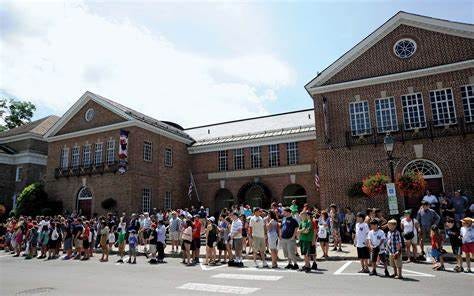
The National Baseball Hall of Fame and Museum in Cooperstown, New York, was conceived and brought to life largely through the efforts of Stephen Carlton Clark. Clark was a wealthy philanthropist, businessman, and the owner of a hotel in Cooperstown. The Hall of Fame was built to commemorate the 100th anniversary of the myth that baseball was invented by Abner Doubleday in Cooperstown in 1839.
The construction began in 1936 and was completed in time for the Hall of Fame's grand opening on June 12, 1939.
The architectural design of the Hall of Fame building was entrusted to the New York City-based architectural firm of Voorhees, Gmelin, and Walker. This firm was known for its expertise in designing significant public and private buildings during that era. The design of the Hall of Fame reflects a blend of classic and colonial architectural styles, fitting for a building meant to house the history of America's pastime.
The building’s design is characterized by its Colonial Revival style, which was popular in the United States during the early 20th century. This style is evident in the symmetrical facade, brick exterior, and the use of traditional colonial elements such as white trim and shuttered windows.
The Hall of Fame is constructed primarily of red brick, lending it a timeless and enduring appearance. The choice of brick was intended to symbolize the strength and resilience of the sport of baseball.
The entrance of the Hall of Fame features a grand and inviting portico with white columns supporting a classic pediment. This design element gives the building a stately and dignified appearance, appropriate for an institution dedicated to honoring baseball's greatest figures.
Inside, the Hall of Fame is designed to guide visitors through a chronological journey of baseball history. The layout includes exhibition halls, galleries, and display cases that showcase memorabilia, artifacts, and interactive exhibits. The design emphasizes accessibility and engagement, allowing visitors to immerse themselves in the rich history of the sport.
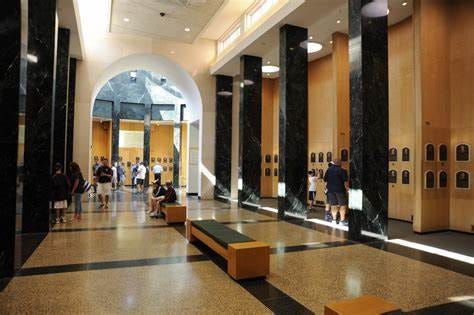
One of the most iconic features of the Hall of Fame is the Plaque Gallery, where the bronze plaques of inducted members are displayed. This gallery is designed to be a hallowed space, with high ceilings and a reverent atmosphere, providing a fitting tribute to the legends of the game.
Over the years, the National Baseball Hall of Fame and Museum has undergone several renovations and expansions to accommodate its growing collection and the increasing number of visitors. Notable expansions include the addition of new exhibit spaces, a library, and research facilities. These updates have been carefully designed to blend with the original architectural style, preserving the building's historic charm while enhancing its functionality.
The Hall of Fame is situated in the heart of Cooperstown, New York, a picturesque village that embodies the nostalgic and historic spirit of baseball. The building’s placement within this quaint setting adds to its charm and appeal, making it a pilgrimage site for baseball fans from around the world.