


The Baseball Hall of Fame’s “character clause” is a unique and defining feature that sparks passionate debate within the sport. Unlike many other sports Halls of Fame, which often focus exclusively on an athlete’s statistical achievements or impact on the field, the Baseball Hall of Fame takes a broader approach by explicitly requiring voters to consider the "integrity, sportsmanship, character, and contributions to the team(s)" when casting their votes for new inductees.
This clause, introduced in the Hall of Fame's early years, was intended to elevate the institution beyond just a showcase of numbers. Baseball, with its rich history as America's pastime, has always been deeply connected to American ideals, making character an integral part of the discussion around greatness. However, as the decades have gone by, this clause has sparked immense controversy, especially as the sport’s history and culture have evolved.
Pete Rose’s case is perhaps the most famous example of the character clause being used to deny someone a spot in Cooperstown. Statistically, Rose's place in the Hall of Fame is a no-brainer. With 4,256 hits, he’s Major League Baseball’s all-time hit leader, a 17-time All-Star, a three-time World Series champion, and the 1973 National League MVP. Rose’s competitive drive and unmatched work ethic on the field earned him the nickname "Charlie Hustle." His resume reads like that of a baseball legend.
However, Rose's career was permanently tainted by his gambling scandal. As the manager of the Cincinnati Reds, Rose bet on baseball games, including games involving his own team. While Rose has always denied betting on his team to lose, he was permanently banned from baseball in 1989 following an investigation. Despite admitting to his actions years later and expressing regret, the ban remains in place, and with it, his eligibility for the Hall of Fame has been blocked.
This decision has led to a long-standing debate. Many fans and players argue that Rose’s gambling had no impact on his playing career, which should be judged separately from his actions as a manager. Yet, the Hall of Fame’s unwavering commitment to its character clause has kept Rose out, sending a message that a player's moral failings can overshadow even the most extraordinary accomplishments on the field.
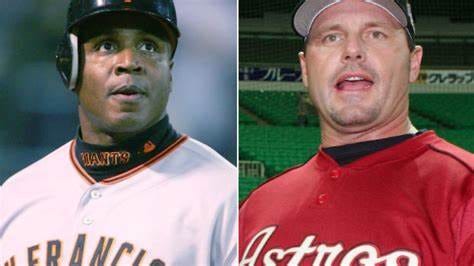
The character clause has also been at the heart of one of baseball’s most contentious eras: the so-called "Steroid Era." Players like Barry Bonds, Roger Clemens, Mark McGwire, and Sammy Sosa were some of the most dominant figures in the game during the 1990s and early 2000s. They broke records, thrilled fans, and created some of baseball’s most iconic moments, like Bonds' 762 career home runs and McGwire and Sosa’s home run chase in 1998.
However, these players have been either linked to or admitted to using performance-enhancing drugs (PEDs), which has severely damaged their reputations. Bonds, for example, holds the all-time home run record, surpassing Hank Aaron’s 755, yet his involvement in the BALCO steroid scandal has left a stain on his career. Clemens, one of the most dominant pitchers in history with seven Cy Young Awards, has similarly been implicated in steroid use.
Though their statistics clearly place them among baseball’s all-time greats, the Hall of Fame voters have consistently denied them entry, citing the character clause as a key reason. The argument is that their use of PEDs gave them an unfair advantage, tainting the integrity of their accomplishments. Many voters and fans see this as cheating not just the game but also the legacy of players who competed without the aid of such substances.
This stance has been divisive. Some argue that the Hall should reflect baseball's full history, both good and bad. The Steroid Era, they argue, is an undeniable part of the game's narrative, and its players should be included in the Hall of Fame with proper context. Others believe that honoring these players would diminish the legacy of those who achieved greatness without cheating, undermining the Hall's reputation as a symbol of integrity.
The ongoing exclusion of players like Barry Bonds and Roger Clemens sends a powerful message: numbers alone do not define greatness in baseball. It’s not just about what you accomplish but how you accomplish it. For many, this echoes a broader life lesson—that success without integrity is hollow, and that cheating, in any form, diminishes the value of hard-earned achievements. This makes the Hall of Fame not just a place to celebrate baseball but also a reflection of larger ethical considerations in American culture.
Both Bonds and Clemens have seen their vote percentages increase over time, but neither has been able to surpass the 75% threshold required for induction. Their candidacies have now expired on the Baseball Writers’ Association of America (BBWAA) ballot, leaving their fate to future considerations by smaller committees. The debate over whether the Hall of Fame should eventually let them in remains heated, with no easy answers in sight.
Beyond just the high-profile cases, the character clause has been applied throughout the Hall's history, leading to other exclusions or delays in induction for players with troubled pasts. For example, it took several decades for the Hall to recognize the accomplishments of players from the Negro Leagues, a part of the game historically ignored due to racial discrimination. The Hall of Fame’s decision to finally induct Negro League players like Satchel Paige and Josh Gibson reflected a broader acknowledgment of how exclusion from the game based on race was itself a violation of the integrity the Hall claims to uphold.
This shows that the Hall of Fame is not just static; it evolves, grappling with the ethical dilemmas of different eras. It asks voters to evaluate not only what happens between the foul lines but also the context of a player’s life, their actions off the field, and the values they embody.
As baseball continues to evolve, so too will the debate surrounding the character clause. New generations of voters, some of whom have grown up during the Steroid Era, may take a more forgiving stance toward PED users, or they may uphold the strict standard the Hall has maintained so far. Similarly, figures like Pete Rose may eventually see a path to redemption as attitudes toward sports gambling shift, especially as MLB itself now embraces legal betting partnerships.
This enduring debate over who truly belongs in the Hall of Fame and what criteria should be weighed most heavily ensures that Cooperstown remains more than just a museum of statistics. It’s a place where baseball’s role in American culture is constantly being re-examined, and where issues of morality, fairness, and integrity are debated long after players hang up their cleats.
The Hall’s character clause serves as a reminder that, in baseball, as in life, integrity matters. The players enshrined there are not just celebrated for what they did on the field, but also for how they did it—a reflection of the timeless appeal of the game and the values it aspires to uphold.
It seems to boil down to whether one sees the HoF as a museum or shrine. Museums embrace all aspects of their subject, good and bad. Shrines honor the spirit of their subject, uphold its values. I do approve of the notion that *how* you go about your business matters more than your successes.
This is great, glad I found your Substack. It's hard to compare across different eras in baseball, with stats and with the character issues and controversy. I don't really know the answers, but this offers some great insight into why the character clause matters.