


Failure sits at the heart of baseball. That is the quiet truth. You fail more than you succeed, and the game calls that greatness. A .300 hitter is a Hall of Famer, yet that means seven times out of ten he walks back to the dugout with nothing to show for it. In life, people look at that number and call it unacceptable. In baseball, we clap for it. We honor it. We build legends on top of it.
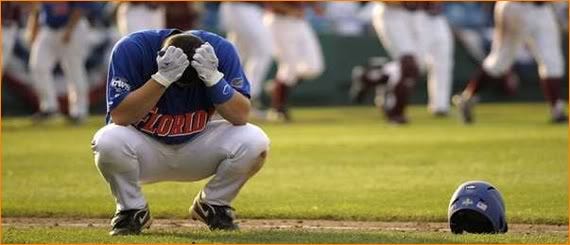
When I watch the game, I cannot help but sit with that contradiction. In nearly every other corner of our lives, failure is treated as a scarlet letter. We do not forgive mistakes easily. You screw up at work, you are written off. You make the wrong choice in a relationship, you are branded as careless or unreliable. In baseball, the same numbers that would get you fired in the real world get you celebrated. People will pay to watch you fail seventy percent of the time.
I think about this when I read the old Baseball Joe stories. They are books that came out more than a century ago, written for kids in the deadball era. On the surface, they are simple, straightforward tales. Joe is the good kid with talent, ambition, and heart. He faces a string of challenges that test him. Rivals undermine him, pitchers strike him out, injuries set him back, and sometimes the crowd doubts him. The lesson is never hidden or dressed up. Joe always has to push forward. He never runs from the failures, even when they cut him down. He meets them, learns from them, and returns to the field. That is what keeps the story alive.
And it is not just Joe. Every ballplayer who has ever laced up a pair of spikes has lived with this reality. Ted Williams, the last man to hit over .400 in a season, still made outs six times out of ten. Babe Ruth struck out nearly 1,400 times. Mickey Mantle used to say that striking out was just part of the game, but he still felt the sting of it every single time. Reggie Jackson, who hit some of the most iconic postseason home runs in history, also held the all-time record for strikeouts when he retired. They called him Mr. October for the hits, not for the failures, but he carried both everywhere he went.
We do not like to admit how much failure builds greatness. In life, people want the shortcut, the highlight reel, the end result without the grind. They want the wins without the bruises. They want the shine without the dirt. That is not how it works. Baseball strips that illusion away. You are going to fail. A lot. The real question is whether you keep walking back to the plate after you do.
When I read Baseball Joe, I see a blueprint for how to handle failure. Joe is not flawless, no matter how cleanly the books try to frame him. He gets rattled. He gets knocked down. But he always comes back. It reminds me that even the fiction written for kids in that era had more respect for the grind than a lot of what we see today. Those writers knew baseball was built on character, not just talent. They knew you could not teach a kid that success came easy, because anyone who had been to a ballpark knew otherwise. You strike out, you make an error, you boot the ball, you lose a step. The question is whether you come back tomorrow with the glove oiled, the spikes tied tight, and the will to do it again.
Somewhere along the line, people lost that lesson. I see it all the time, not just in baseball but everywhere. The first time somebody faces resistance, they fold. They look for excuses. They point fingers. They act like the world is unfair. Fuck that. Of course it is unfair. Of course it is stacked. Of course you are going to come up short. That is life. Baseball does not hide it from you. It throws it right in your face. And if you have the guts to keep showing up, you find out that failure is not the enemy. It is the training ground.
Think about what happens in an at-bat. A hitter goes to the plate, knowing that most likely he is going to fail. That knowledge is baked into the moment. The pitcher is trying to fool him. The defense is set to beat him. The odds are against him from the start. Yet he digs into the box, takes his practice cuts, and waits. He tries anyway. That is courage, even if the word sounds too lofty. People forget that courage is not about certainty. It is about action in the face of failure. Baseball teaches that in every pitch, every swing, every strikeout, and every walk back to the dugout.
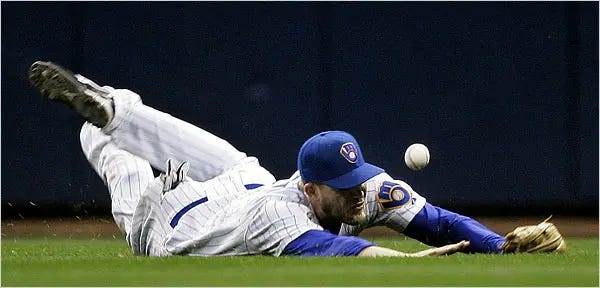
I remember when I first started to understand this as a kid. I did not get it right away. When you are young, you think the game is about winning. You think it is about being the hero, hitting the ball out of the park, being the one everybody claps for. Then you strike out, and you feel small. You wonder if maybe you are not good enough. The first time that thought hits you, it can crush you. But if you keep playing, if you keep watching, you learn the deeper truth. You learn that every single player you look up to has gone through the same thing. They failed too, and they just kept coming back.
That lesson carries outside the lines. The world will feed you failure whether you ask for it or not. You will get cut from jobs. You will lose people you love. You will make mistakes that haunt you. There is no clean box score for life, no stat sheet that says, “Look, this balances out.” The failures stick. The question is whether you stop swinging.
I keep going back to Pete Rose when I think about this. He was a man who refused to stop swinging. The guy played with a relentlessness that could not be ignored. But he also failed off the field, badly, and then denied it for years. That is another side of the failure lesson. Baseball teaches us to face it, but sometimes even the fiercest players cannot. Rose’s story is complicated. It is about greatness, but it is also about what happens when you cannot own the weight of your own mistakes. Baseball gave him the chance to be remembered for hustle and fire, and he chose to gamble it away. The game still teaches through his story, but in a different way.
Failure is not just about swinging and missing. It is about what you do afterward. Do you learn? Do you own it? Do you pretend it never happened? Do you try to pass the blame? These questions are not just for ballplayers. They are for all of us. That is why baseball still matters. It is not just a sport. It is a mirror.
When I read Baseball Joe, I see that lesson woven into stories that were written a century ago but still feel current. They were not afraid to show Joe getting beat, struggling, facing adversity. The writers understood that kids needed to see their hero fall short, because falling short is the human condition. That is where the story is. That is where growth lives.
The older I get, the more I understand that baseball is really a long meditation on failure. The season is 162 games for a reason. There is no hiding from it. Slumps come. Errors pile up. Injuries happen. The season grinds. That is why the heroes of the game are not the ones who never failed, but the ones who kept showing up. Cal Ripken showing up every day for more than 2,600 games. Hank Aaron chasing Babe Ruth with quiet consistency while carrying the weight of hate on his shoulders. Bill Buckner taking the heat for one error but still walking back into a ballpark every spring with his head up.
Failure does not define them. Response does.
Between innings, I sit with this thought. Maybe the real measure is not how many times we miss, but how many times we are willing to walk back to the plate, bat in hand, ready to take another swing. That is why I love this game. It is not just about the home runs or the wins in October. It is about the grind, the strikeouts, the empty at-bats, and the courage to keep coming back.
And if you want the truth, that is not just baseball. That is life. Fuck the illusion that you have to be perfect. Perfection does not exist. The game knows it. The game always knew it. That is why baseball is still worth watching, still worth reading about, still worth believing in.
Wait, what? I don’t have to worry about being perfect? Failure is an option? 🙂
enjoyed this but now do baseball's life lessons as taught via relief pitchers