


Not sure if this is a Dark Side or Between Innings but figured I would put it here and let you judge it…
When Tony La Russa was hired by the Chicago White Sox in 2020, I wasn’t surprised he wanted to manage again. I was surprised he got the job. Not because of his age, he was 76, or even the decade he’d been out of the dugout. It was the DUI.
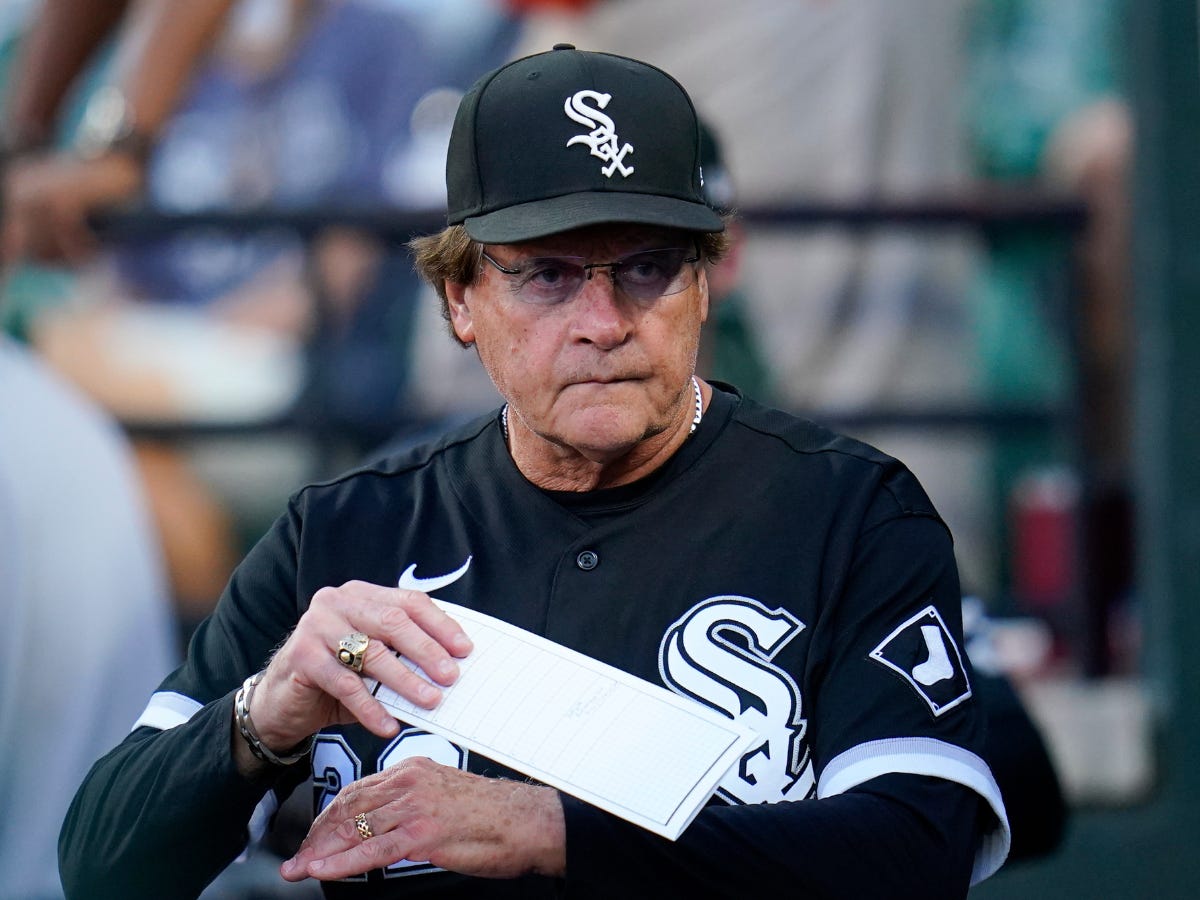
La Russa had been charged with driving under the influence earlier that same year. It was his second known DUI arrest. The first had happened back in 2007, during spring training. Police in Jupiter, Florida found him asleep at the wheel of his SUV, engine running. He had a BAC of 0.093 over the legal limit. He pled guilty and issued a standard apology, “I apologize to anyone who is close to me, members of the Cardinals organization, our fans. I regret it, take responsibility, and I'm not sure there is anything else I can say.”
He went on with his career.
Then came the second DUI in February 2020. This time in Phoenix. La Russa had crashed his car into a curb. Police said he reeked of alcohol, failed field sobriety tests, and blew a .095. He tried to talk his way out of it, telling the officer, “I’m a Hall of Famer, brother. You’re trying to embarrass me.”
He pleaded guilty, again. This time to a reduced charge of reckless driving. He got one day of home detention, community service, alcohol counseling, and a fine. He later said, “I know I don't have a drinking problem, just like I know I made a serious mistake… If I have a drink I will not drive. There's always an alternative.”
And then he was hired to manage a contending MLB team.
That hit me differently, not just because of who La Russa is, but because of my own story. I got a DUI in 2008. It scared me. I thought it might cost me my career. I took a hard look at everything. I quit drinking. Not because I couldn’t drink in moderation but because I couldn’t guarantee I’d never make that mistake again. That’s what it came down to, fucking responsibility.
Alcohol demands it. There’s no grey area in the moment when you turn the ignition. You either are or aren’t putting others at risk. And I had. Once.
I believe people can be forgiven for one. Take the consequences. Learn. Change. But more than one? That’s a pattern. That’s a choice. And it’s not just about you anymore, it’s about who’s driving near you, crossing the street, walking home. It’s about the people who don’t get a say.
That’s what made La Russa’s second chance feel so hollow. There was no reflection. No rehab. Just a résumé, a phone call, and a job. If this had been a no-name coach with the same two arrests, we wouldn’t even know his name. But La Russa is part of baseball’s old boys club and in that world, status still outweighs accountability.
You see it in the comparisons.
Wally Backman got fired four days after the Diamondbacks hired him in 2004, after a past DUI and domestic violence charge resurfaced. He never managed again.
Ron Washington, after an off-field personal issue, not a crime, resigned and disappeared from managing for almost a decade, despite a strong reputation and two World Series appearances.
Pat Murphy had a DUI in his past. It followed him for years. He never got handed a job. He waited until 2023 to finally get a chance to manage full-time.
La Russa? He got two chances. Because of who he was. Because of who he knew. That’s how this game still works in too many corners.
I’m not writing this to throw stones. I’m writing it because it’s important to see things clearly. When you’ve lived through the mistake yourself, and worked to change, you recognize what accountability actually looks like.
What La Russa got wasn’t accountability. It was privilege.
That’s the real issue. And that’s the part baseball still hasn’t figured out how to deal with.
I think one difference between LaRussa and the others that you didn’t mention was the era it happened in.
By 2020 the things had shifted to the Trump world view. I’d argue there are very few public figures that are held accountable these days.
Say you’re sorry, or not, and move on. Very discouraging.
Once again, this is a raw, honest reflection, and I thank you for that. This problem permeates all of professional sports. I was listening to a sports radio station this week discussing Brett Favre, and they said, “He’s a bad guy, but he was just such an amazing football player—nothing like him in that era of football.” And once the dust settles and the scandals are forgotten, that’s how most people will remember Favre—not for the harm he caused, but for the player he was.
There’s a tension here though. I admittedly have a very hard time separating the art from the artist, especially when the artist has no intention of redeeming themselves. However, culture at large doesn’t always forgive and forget—and scandals are often based on things that aren’t entirely true or are flat-out misleading. That can dilute the seriousness of cases that do carry real weight—like Tony’s, where the true consequences should’ve centered on the potential harm caused to others, but largely didn’t.
At the end of the day, our culture prioritizes prestige and winning above all else. And it’s well past time we stop and reflect—but at what cost?