


Back at the start of Spring Training, I laid out exactly how this was going to work. The framework. The categories. The why behind it. Over the last few months, I’ve thought it through, tightened it, and made sure it holds up. Now it’s time to actually do it. No more talking about the idea. Just applying it. One team at a time. One ownership group at a time.
The Oakland/Sacramento/Las Vegas fucking A’s sit at 30. Not a surprise… It is the outcome of a nine-category evaluation applied across a decade of ownership behavior. When you line up payroll contraction, revenue-sharing intake, relocation posture, and stewardship philosophy from 2015 through 2025, the result is not ambiguous. The A’s finish last because the trajectory of the franchise bent smaller while the sport grew larger. But before you can understand why they sit at the bottom, you have to remember what they were. Under Charlie Finley in the 1970s, the A’s were disruptive and central. Green and gold uniforms. Mustaches as identity. Three straight World Series titles from 1972 to 1974. They were bold and visible. Under Walter Haas, the tone changed but the responsibility deepened. Haas treated the franchise as a civic trust rooted in Oakland. Rickey Henderson said, “Walter Haas treated us like people. He cared about Oakland.” That is ownership at its highest level. Care, place, responsibility. Then came Moneyball, when Billy Beane and his front office reversed the logic of baseball and forced the entire league to modernize. For decades, the A’s were dominant, eccentric, or revolutionary. They were never irrelevant.
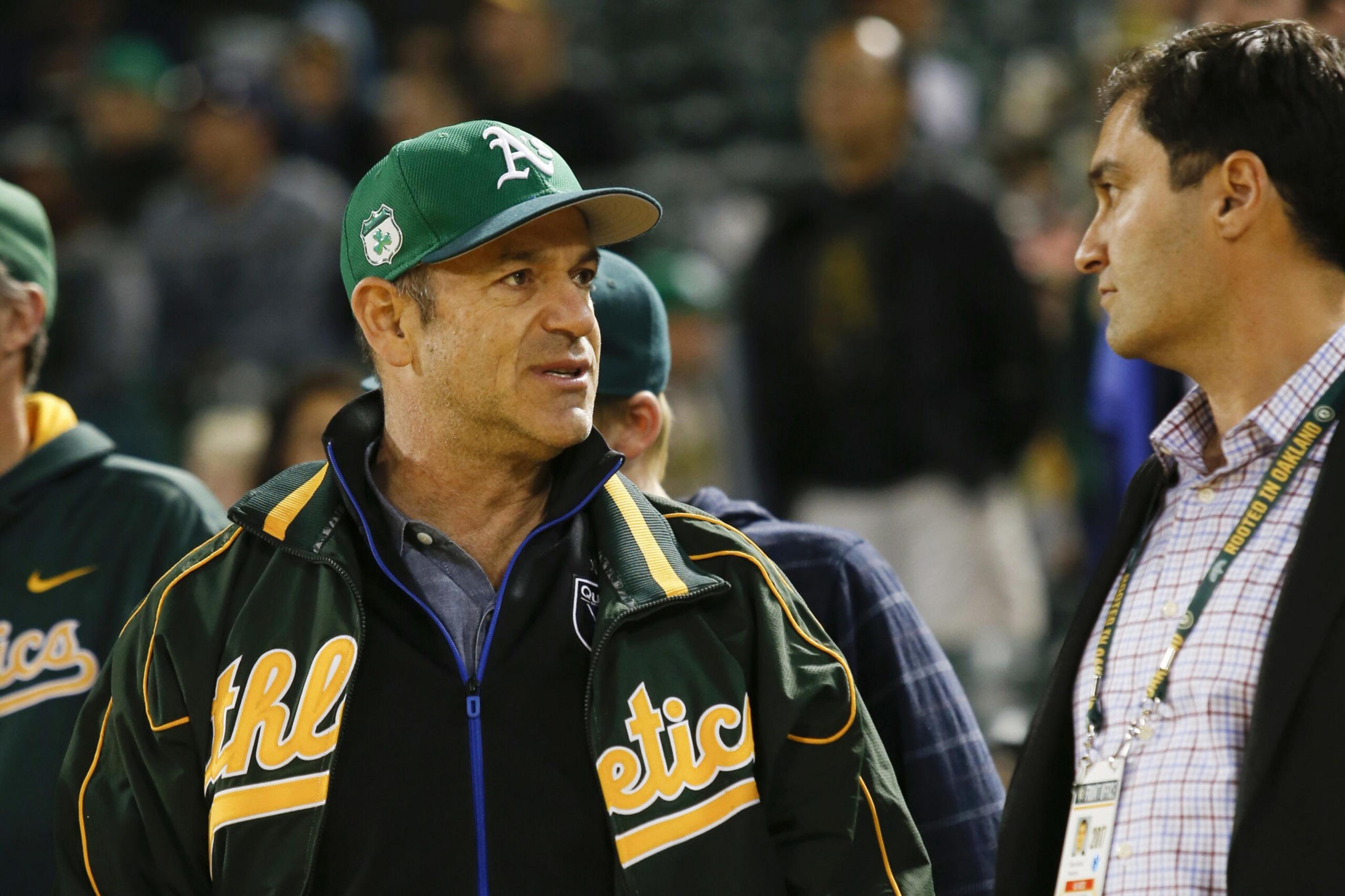
John Fisher’s era defined them differently. Fisher inherited Gap wealth, retail wealth trained to preserve margins and protect assets. That background is not disqualifying in commerce. But baseball ownership is not retail management. It is custodianship of competitive intent and civic memory. From 2015 through 2025, the A’s provided one of the clearest examples of ownership contraction in modern baseball. They made the postseason three straight seasons from 2018 through 2020 with payroll hovering in the $85 to $95 million range. League payroll averages during that stretch exceeded $130 million, but Oakland was within striking distance of viability. Then came the collapse. Payroll dropped near $50 million by 2022, remained near the floor in 2023 and 2024, all while league revenues surpassed $10 billion annually and franchise valuations exploded. Rebuilds happen. That is not the indictment. The indictment is posture. When you dismantle a competitive core during a revenue boom and operate at or near the payroll floor while receiving substantial revenue-sharing distributions that in some seasons likely exceeded your entire active payroll, that is not cycling. That is insulation. The system exists to allow small markets to compete. It does not exist to subsidize dormancy. And if you can watch that pattern unfold and not think what the fuck is this model, you are being polite on behalf of a franchise that stopped being polite to its own city. Then came relocation. Oakland to Sacramento to Las Vegas. Framed as inevitability, but inevitability implies exhausted alternatives. What it felt like instead was incremental leverage. Attendance cited as evidence while payroll shrank. Fan engagement questioned while investment declined. The franchise shifted from civic institution to movable asset. That is where stewardship collapses.
Competitive Intent and Effort: 30. Postseason windows were liquidated rather than reinforced.
Fan Alignment and Honesty: 30. Messaging diverged sharply from behavior as payroll contracted and relocation tension lingered.
Cultural Fit to the Area: 30. A franchise once synonymous with Oakland edge drifted toward abstraction and portability.
Financial Integrity and Revenue Use: 30. Revenue-sharing recipient operating at or near the payroll floor during a league revenue boom.
Labor Ethics and Organizational Culture: 30. Sustained non-competition and instability erode institutional morale and trust.
Long-Term Vision and Stability: 30. The path from Oakland to Las Vegas was turbulence, not arc.
Integrity and Accountability: 29. Houston’s sign-stealing scandal earns sole possession of 30 in pure integrity collapse. The A’s handling of contraction and relocation still reflects defensive ownership posture.
Relationship to History and the Game: 29. The A’s legacy is enormous, but fractured by detachment from place.
Impact on the Health of Baseball: 30. Relocation churn and payroll suppression undermine the credibility of revenue sharing and competitive balance league-wide.
Seven categories at 30. Two at 29. Composite score: 268 out of 270. Overall Rank: 30. This is not about personal dislike, though I will admit plainly that I do not respect this ownership posture. It is about trajectory. Finley made the A’s loud. Haas made them rooted. Moneyball made them revolutionary. Fisher made them smaller. They are last not because they were small, but because they chose smaller.
What Fisher has done is a crime against baseball.
I remember growing up during the days of the Haas' ownership of the A's. I didn't realize how good we all had it.