


I posted back on December 29th what my project for the coming season was going to be. Over the last few months, I’ve thought it through. I’ve tightened it. I’ve structured it. I’ve decided exactly how I’m going to do this. Spring Training is about to start so I want to get this out.
I’ve always been wired to care more about structure than spectacle. About how decisions get made, who makes them, and what incentives sit underneath everything we see. In my professional life, that’s the real work. Strategy. Alignment. Accountability. Long-term consequences. Outcomes don’t magically appear. They are built, or undermined, by the people at the top and the systems they design.
Baseball clicked for me the same way.
The game on the field is the visible layer. The real story is upstream. That’s where direction is set. Where corners are cut or protected. Where truth either exists or gets managed. I’m less interested in what happens on a random Tuesday night in July than in why it keeps happening year after year.
Every season we argue about the wrong people. Players. Managers. Slumps. Contracts. Effort. Body language. We debate front offices like they’re sovereign entities.
It’s noise.
None of it exists without ownership.
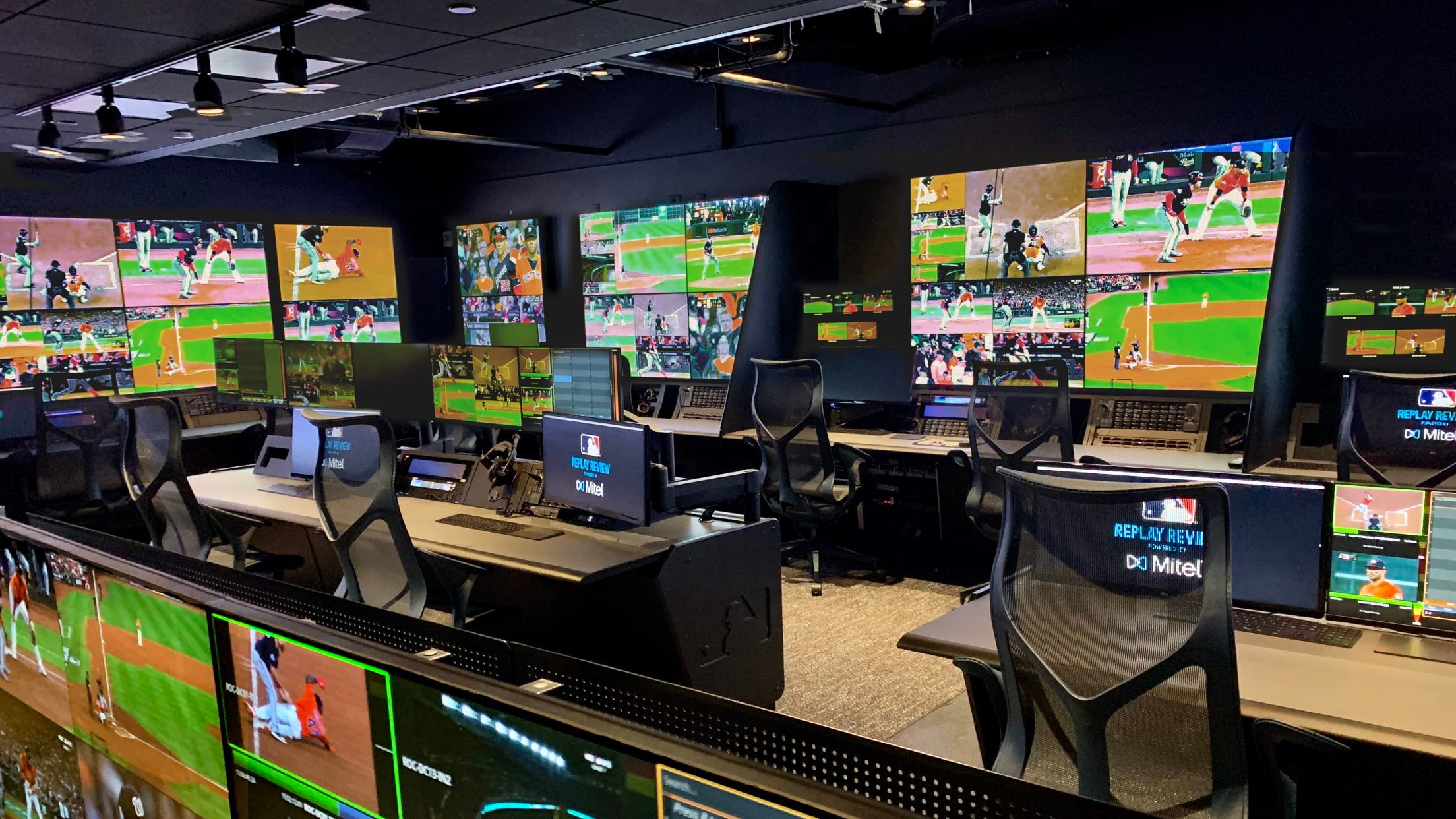
Baseball moves at the speed of money, patience, ego, leverage, and risk tolerance. All of that lives in the owner’s box. Players come and go. Managers get fired. Prospects rise and disappear. Owners stay. They decide when a team is “close enough.” They decide when a rebuild is convenient. They decide when payroll is a tool and when it’s suddenly a burden. They decide when a city deserves a winner and when it should be grateful just to have a team.
We rarely talk about them honestly.
This season, we will.
Who Owns the Game will run for thirty weeks. One owner at a time. Ranked worst to best. Yes, worst first.
And before anyone asks, I already know who sits at the bottom.
It’s the Oakland/Sacramento/Las Vegas fucking A’s and their asshole of an owner.
That isn’t hyperbole. It isn’t emotion for emotion’s sake. It’s a decade-long pattern of extracting value while eroding trust. It’s treating a franchise like a movable asset instead of a civic institution. It’s treating a fanbase like collateral damage in a leverage play.
That’s where we start.
From there, every other ownership group will be evaluated across nine categories:
Competitive Intent and Effort
This is not about wins. It is about whether ownership consistently tried to win in good faith.
Did they avoid deliberate non-competition as a business model. Did they maintain pressure during competitive windows. Did they push when opportunity existed. Did they tolerate mediocrity when aggression was available.
This category measures organizational will.
Fan Alignment and Honesty
This measures whether ownership respects its fan base.
Did they communicate transparently about rebuilds and strategy. Did they blame fans for attendance while cutting payroll. Did messaging match behavior.
Fans are stakeholders. This category measures whether they were treated that way.
Cultural Fit to the Area
Baseball franchises are civic institutions. They sit inside real cities with real histories.
Did ownership understand the character of its city. Did it lean into that identity or flatten it into a generic brand. Did it treat the team as rooted, or as portable.
This measures stewardship of place.
Financial Integrity and Revenue Use
Where did the money go.
Did revenue growth translate into competitive investment. Was revenue sharing reinvested or pocketed. Were financial constraints used honestly or strategically.
This category measures whether ownership behaved like a custodian or an extractor.
Labor Ethics and Organizational Culture
How were players and employees treated.
Did ownership improve conditions when it could. Did it resist basic standards until forced. Did it create a culture of stability or churn.
This category measures how power is exercised internally.
Long-Term Vision and Stability
Did ownership provide coherent direction.
Were front offices allowed to operate with stability. Was there constant churn. Did strategy shift with mood, or follow a sustained plan.
This measures institutional discipline.
Integrity and Accountability
When mistakes happened, what followed.
Did ownership absorb responsibility. Did it correct systems. Did it deflect blame.
This measures moral posture under pressure.
Relationship to History and the Game
Did ownership honor the franchise’s past.
Was history treated as marketing decoration or institutional memory. Were former players respected. Was continuity preserved.
Baseball is a memory sport. This category measures whether ownership understands that.
Impact on the Health of Baseball
Ownership decisions ripple beyond one franchise.
Did behavior improve competitive balance. Did it damage league credibility. Did it strengthen or weaken public trust in the sport.
This measures influence relative to footprint.
Each category will be ranked 1 through 30. No ties. No hedging. The rankings will reflect ownership behavior from 2015 through the 2025 season, weighted toward sustained patterns and recent accountability.
Every team will be judged relative to its resources. Market size matters. Revenue matters. Ownership wealth matters. Stadium control matters. Division context matters. You are not compared to New York if you are Milwaukee. You are compared to the best possible version of Milwaukee. Large-market teams do not get credit simply for having capacity. If you had the means to push harder and chose not to, that will show up.
Ownership is judged on what it did with what it had.
Baseball ownership is not morally neutral. It is a custodial role with ethical obligations. Exploitation that is legal is still exploitation. Indifference is still a choice.
Shame will not come from adjectives. It will come from placement.
If you rank 28th in competitive intent, that means 27 ownership groups tried harder over the last decade. If you rank near the bottom in integrity, that means others handled power better.
If we want to understand why some franchises feel alive and others feel hollow, why fan trust feels thinner than it used to, we have to stop pretending ownership is background noise.
It isn’t. It’s the engine. We begin at the bottom. And we work our way up. See you around opening day John Fisher…
Welcome to 2026!
This is going to be good, can't wait. John Fisher is rightfully the lowest fruit but I can't wait to see Artie's entry.
There are a handful of clubs I root for with various levels of enthusiasm. Each is on a different trajectory these days, so I look forward to your ranking of their owners in particular.