


I’m going to end this series here. Not because I don’t have opinions on the remaining ownership groups, but because this series takes a tremendous amount of time and work to do correctly. More importantly, after getting through the bottom third of baseball, I realized something. The most interesting part of the exercise wasn’t ranking teams from 22 to 1. The real story was at the bottom.
The Athletics, Marlins, Pirates, Rockies, White Sox, Angels, Tigers, and Reds all illustrated how ownership decisions can hold a franchise back. Once I got past that group, most of the remaining organizations started blending together. Some are better than others. Some spend more. Some develop talent better. Some communicate better. But many of them are operating from the same basic playbook.
Honestly, for me this exercise was always going to come down to four organizations: the Rays, Brewers, Dodgers, and Braves.
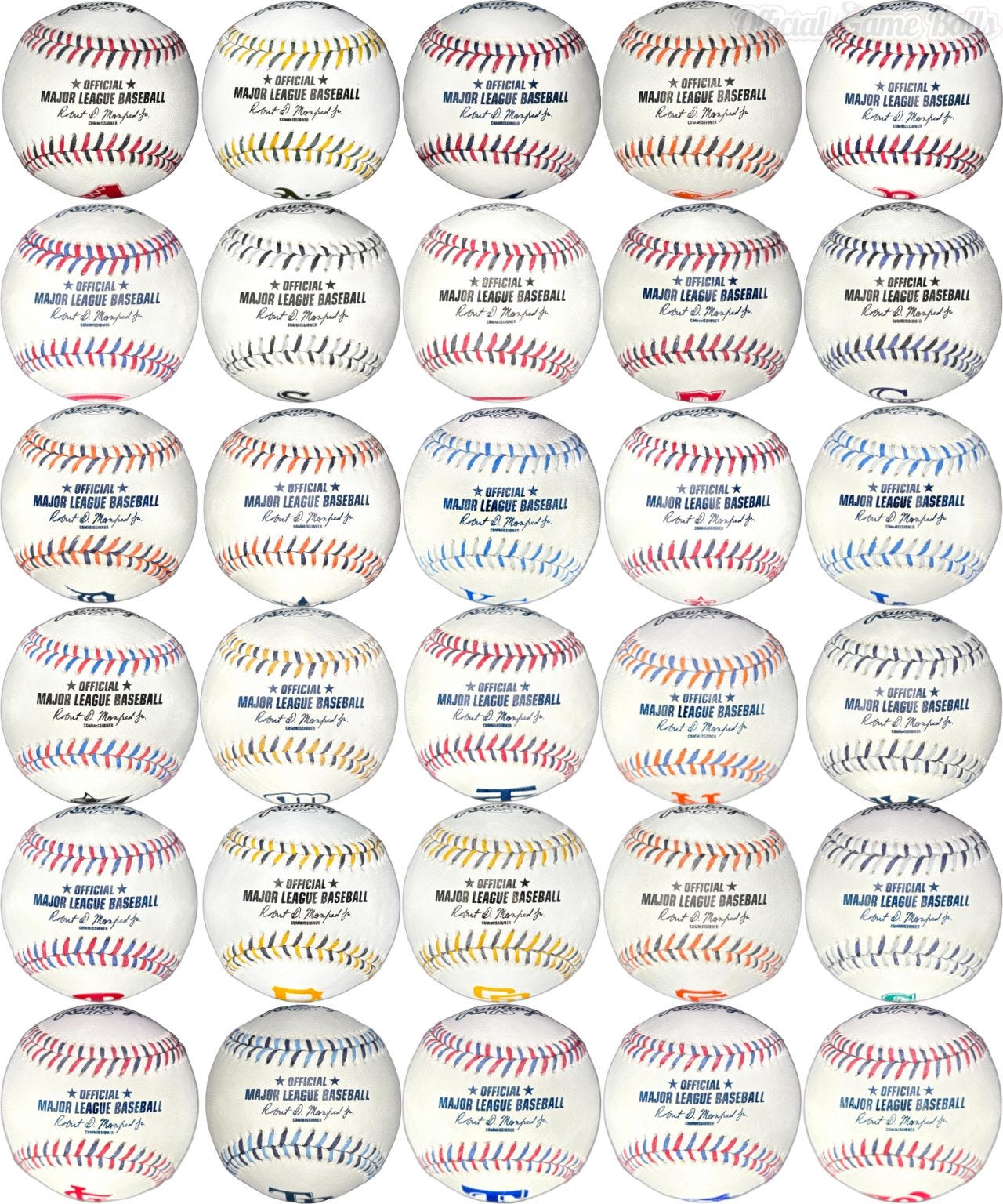
Those are the four ownership groups that consistently stood out over the last decade-plus. The order took some thought, but the group itself never really changed. Everything after that became a matter of degree, and frankly that makes for fuqqin boring reading.
So rather than spend the next several months writing twenty-two more ownership profiles, I’m ending the series here and giving my remaining rankings along with a brief explanation of why each team landed where it did.
Kansas City Royals
The Royals deserve credit for delivering a World Series championship, something many franchises never accomplish. The problem is that the years after the championship never felt like the foundation of something sustainable. Too often the organization felt content to live off the memory of 2015 rather than aggressively build the next contender.
Washington Nationals
Winning a World Series carries tremendous weight and ownership deserves credit for being willing to spend during that window. The years since have felt more reactive than visionary, leaving the organization searching for a new identity.
Arizona Diamondbacks
The Diamondbacks have quietly become a solid baseball operation. Ownership has shown a willingness to compete, and the World Series run proved the organization is capable of building something meaningful without operating like a financial giant.
Minnesota Twins
The Twins are generally stable, generally competent, and generally competitive. They rarely feel dysfunctional, but they also rarely feel like an organization willing to push every advantage to its limit, generally...
Toronto Blue Jays
Toronto has tremendous market advantages and significant resources. The organization has been good, but when you consider everything available to ownership, it feels like there should be more to show for it.
St. Louis Cardinals
For decades the Cardinals represented one of baseball’s gold standards. Recent seasons have felt unusually passive by Cardinal standards. Still a strong organization, just not the machine it once was.
Texas Rangers
Ownership deserves enormous credit for putting resources behind its ambition and ultimately winning a championship. The challenge now is proving that success was part of a long-term organizational model rather than a single peak.
Seattle Mariners
The Mariners have talented people throughout the organization and have built a solid foundation. The frustration comes from the feeling that ownership has not always fully matched the ambitions of the baseball operation.
San Diego Padres
Nobody can accuse the Padres of lacking ambition. Ownership has been aggressive, willing to spend, and willing to take risks. Sometimes those risks have produced chaos, but at least the objective is clear. They are trying to win.
San Francisco Giants
The Giants remain one of baseball’s healthier organizations. Strong ownership, strong infrastructure, and strong market position keep them competitive, even if they have not fully recaptured the energy of their championship era.
Cleveland Guardians
The Guardians consistently prove that smart organizations can compete without massive payrolls. Their ranking would be significantly higher if ownership consistently matched the quality of the baseball operations department with greater financial commitment.
New York Mets
Steve Cohen changed the conversation the moment he arrived. The willingness to spend is unquestioned. The challenge has been turning financial power into organizational consistency.
Chicago Cubs
The Cubs broke a historic curse and built a thriving business operation. At times it feels like ownership is balancing baseball and business rather than fully maximizing the competitive potential of one of the sport’s biggest brands.
Houston Astros
The cheating scandal remains a permanent part of the organization’s story. At the same time, ownership maintained one of the strongest competitive infrastructures in baseball for more than a decade. Both realities exist together.
New York Yankees
The Yankees remain one of baseball’s premier organizations. The reason they are not higher is simple. The standard in New York is championships, and ownership has not met that standard often enough in recent years.
Baltimore Orioles
The Orioles deserve recognition for one of baseball’s most impressive turnarounds. New ownership appears committed to creating a sustainable contender, and the future looks bright.
Boston Red Sox
Multiple championships matter. A willingness to invest matters. The reason Boston sits here instead of higher is that recent years have felt inconsistent compared to what the organization is capable of achieving. Maybe I let a bias in here because I can’t stand John Henry and how he operates, now.
Philadelphia Phillies
John Middleton has consistently demonstrated something fans appreciate. Urgency. The Phillies behave like an organization that understands winning matters and that contention windows should be attacked, not managed.
Atlanta Braves
The Braves may be the most complete organization in baseball. Excellent player development, smart leadership, strong financial support, and a clear organizational identity have produced sustained success.
Los Angeles Dodgers
The Dodgers are the model for how a large-market franchise should operate. They spend aggressively, develop talent, invest in infrastructure, and consistently contend. Every advantage they possess is fully leveraged.
Milwaukee Brewers
The Brewers are my favorite ownership story in baseball. Mark Attanasio inherited a small-market franchise and built a culture of sustained excellence. Every year people predict decline. Every year the Brewers find another way to compete. That is not luck. That is organizational excellence.
Tampa Bay Rays
The Rays get the top spot because they have done the most with the least. They operate in a difficult market. They have played in a stadium that many fans and writers love to criticize. They face limitations that would cripple many organizations. Yet year after year they compete, innovate, develop talent, and influence the rest of baseball. The Rays don’t simply survive their disadvantages. They overcome them.
After spending all this time thinking about ownership, I came away with one conclusion. Fans spend endless hours arguing about players, managers, prospects, payrolls, trades, and analytics. Those things matter. But ownership matters more.
Ownership sets the priorities. Ownership establishes the culture. Ownership determines whether success is reinvested or harvested. Ownership decides whether a franchise acts like a civic institution or simply another asset on a balance sheet.
Players come and go. Managers come and go. General managers come and go. Ownership remains. If you want to understand why a franchise wins, loses, drifts, innovates, disappoints, or inspires, start with the people signing the checks.
Final Rankings
Tampa Bay Rays
Milwaukee Brewers
Los Angeles Dodgers
Atlanta Braves
Philadelphia Phillies
Boston Red Sox
Baltimore Orioles
New York Yankees
Houston Astros
Chicago Cubs
New York Mets
Cleveland Guardians
San Francisco Giants
San Diego Padres
Seattle Mariners
Texas Rangers
St. Louis Cardinals
Toronto Blue Jays
Minnesota Twins
Arizona Diamondbacks
Washington Nationals
Kansas City Royals
Previously Ranked
Cincinnati Reds
Detroit Tigers
Los Angeles Angels
Chicago White Sox
Colorado Rockies
Pittsburgh Pirates
Miami Marlins
Oakland Athletics
BB I admire what you’ve done here even as I was in awe because of how much work you were clearly putting in. As always, you’ve given us all something to think about.