


Twenty years ago walking into a ballpark didn’t feel like declaring bankruptcy. A ticket cost $19. A hot dog and maybe a snack set you back $10 more. Parking was cheap enough you didn’t flinch. You could make the call at lunch, head out after work, and it felt like a treat, not a budget breakout. Baseball was still the people’s game because most people could still afford to show up.
In 2005, the median full‑time worker earned about $1,218 a week. Today that same worker brings in around $1,196 a week. That’s right, earnings have actually dropped over two decades when you account for inflation.
Meanwhile, the price of a ticket? $55–$60 before the apps take their pound of flesh. I hunt for the cheapest seat I can find and still end up paying $50 after the “service,” “processing,” and “convenience” fees. Parking costs vary by city: $60 in Boston, $50 elsewhere, $20 in Milwaukee if you’re lucky. A single bottle of water is $7.50. Grab a hot dog and another snack, and you’re looking at an extra $20–$25. I average $75 a game, and I go to 15–20 games a year across the country. I can afford it, I budget for it. But I can’t fathom how most people keep showing up.
Here’s the kicker, in 2005, the Fan Cost Index - the total for tickets, parking, and snacks for a family of four, was about $164. Now it’s pushing $240 before you even glance at the merch table. That’s a 46% price hike for the same experience, and yet attendance hasn’t tanked.
Why not? Because the game still sells itself on TV. What’s changed is who’s taking those seats.
Meanwhile, the average MLB franchise value has exploded. In 2005, an MLB club was worth roughly $332 million. Today, the average team is worth around $2.6 billion. The richest clubs, Yankees, Dodgers, Red Sox, Cubs, hover in the multi‑billion‑dollar range.
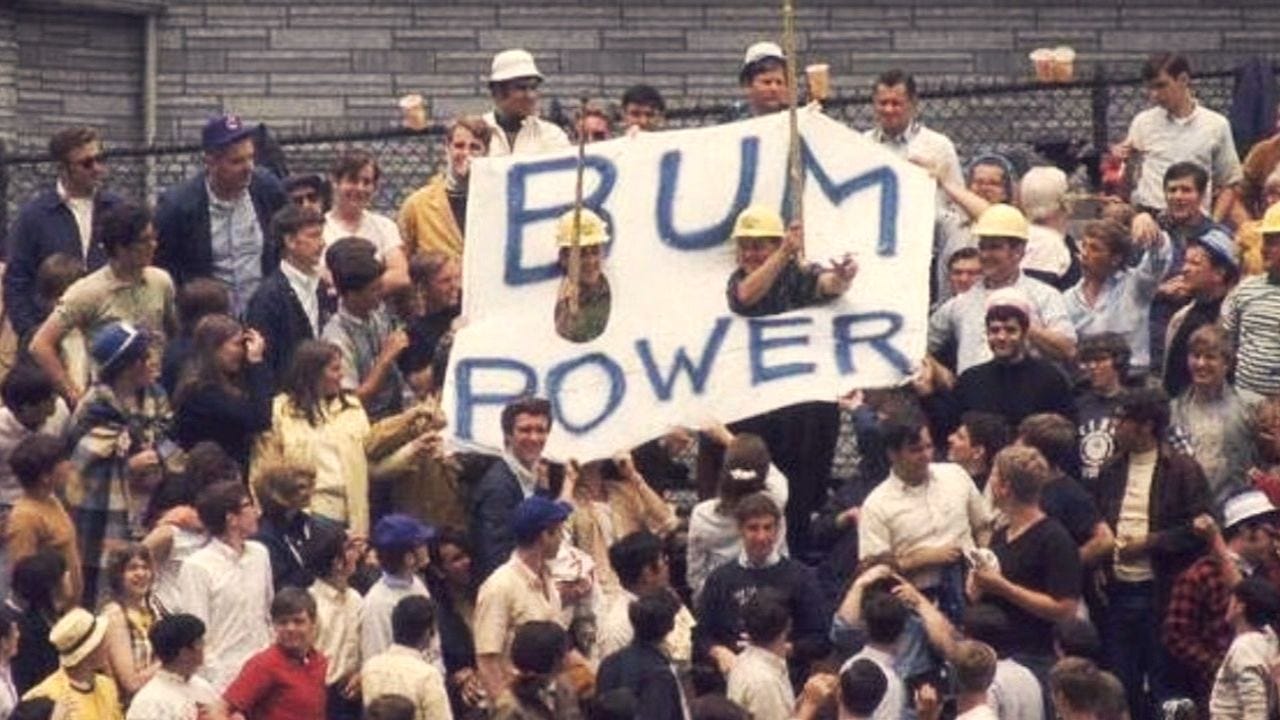
While fans get squeezed, owners reap a jackpot. The minimum-wage fan who used to roast in those iconic bleachers with a glove in one hand and mustard on his shirt? He’s outside now, checking scores on his phone during a double shift. He watches highlights later instead of chasing foul balls live. His connection to the game hasn’t broken, but it’s caught behind glass.
Baseball didn’t padlock the gates. It priced them out. The cheap seats still exist, but they don’t carry the same smell of summer and nostalgia. They smell like corporate “experiences,” $15 pretzels, and overpriced hydration. The voices that gave the stadium its soul are purging out. And one day, when only the ones who treat the park like a luxury market remain, that soul will be gone. You’ll sense the hollow. Even when the box score looks normal.
Most don’t even watch the game anymore - too busy staring into their cell phones, taking selfies or hanging out in the concourse looking to buy overpriced food and drinks. The game is often just background scenery for a night of being seen
A microcosm of what corporations have done to much of our country.